Delays and mistakes to avoid scheduling Haringey oven cleaning
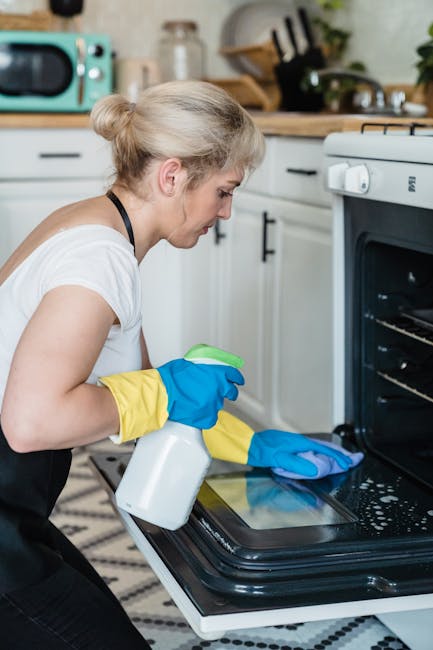
If you have ever stared at a greasy oven on a Sunday evening and thought, "I should really book this," you are not alone. The problem is that oven cleaning tends to slide down the to-do list until a move-out, family gathering, or stubborn burnt-on spill suddenly makes it urgent. This guide on Delays and mistakes to avoid scheduling Haringey oven cleaning will help you avoid the usual booking headaches, get better results, and save yourself a fair bit of faff.
Whether you are preparing for a tenancy handover, a deep refresh before Christmas, or simply trying to get on top of a kitchen that has seen better days, the scheduling part matters more than people think. A rushed booking can lead to delays, the wrong service choice, or a cleaner arriving without enough time to do the job properly. Let's sort that out.
- Why delays and mistakes matter
- How scheduling oven cleaning usually works
- Benefits of getting the booking right
- Who needs this service and when
- Step-by-step scheduling guidance
- Expert tips for smoother appointments
- Common mistakes to avoid
- Tools, resources and recommendations
- Compliance, safety and best practice
- Methods and booking options compared
- Real-world example
- Practical checklist
- Conclusion
- Frequently asked questions
Why Delays and mistakes to avoid scheduling Haringey oven cleaning Matters
Oven cleaning sounds simple on the surface. Book a cleaner, let them in, enjoy a shiny appliance. But scheduling problems can create a domino effect: you miss the ideal slot, the oven stays unusable longer than expected, or the job gets squeezed into a time window that is too tight for proper degreasing and finishing.
In practice, the biggest issues are usually not technical. They are timing issues. People book too late, forget access requirements, underestimate how dirty the oven is, or assume every oven can be cleaned in exactly the same amount of time. Truth be told, that last one causes more stress than most people realise.
For households in Haringey, the timing can matter even more because life is busy. School runs, commute times, parking availability, flat access, and shared entrances all affect how smoothly a visit goes. If you live in a block with limited entry windows, or you need the kitchen cleared before a rental inspection, a small delay can become a real inconvenience very quickly.
Getting the booking right also protects the quality of the clean. A professional can only do a thorough job if they know what they are walking into. That means the right oven type, the right condition, the right access, and enough time on site. Simple enough, but easy to miss when you are rushing.
Key takeaway: the best oven clean is not just about the cleaning itself. It starts with clear timing, accurate information, and avoiding last-minute assumptions.
How Delays and mistakes to avoid scheduling Haringey oven cleaning Works
Most oven cleaning appointments follow a fairly straightforward pattern. You request a quote, describe the oven and your situation, agree a date, and the cleaner arrives with the right products and tools. Where things go wrong is in the handover of information.
If the cleaner thinks they are dealing with a standard single oven but discovers a range cooker, a heavily neglected fan oven, or trays that need extra work, the appointment may run over. That can affect the next booking, which is why reputable providers tend to ask specific questions before confirming a slot. It is not fussiness. It is planning.
Another common point of delay is access. In a typical London flat, the front door buzz-in, lift access, parking, or building rules can add a surprising amount of friction. If you have ever waited by the window while someone circles the street looking for a space, you will know the feeling. Mildly annoying, but avoidable.
Scheduling also works better when you match the appointment type to the condition of the oven. A light freshen-up after regular home cooking is very different from a deep degrease after months of roasting, baking, and the occasional spill that quietly burned on and became part of the appliance. If you understate the condition, you risk underbooking the time needed.
If you are comparing services, you might also want to look at the wider context of the company itself. Pages like about the company, insurance and safety, and the health and safety policy can help you judge whether the booking process feels professional and well organised.
Key Benefits and Practical Advantages
When you avoid scheduling delays, the benefits show up quickly. Some are obvious, some are less visible until you have experienced the opposite.
- Less downtime in the kitchen. A prompt booking means your oven is back in action sooner, which matters if you cook daily or are hosting people soon.
- Better cleaning results. The cleaner has enough time to tackle stubborn buildup rather than rushing through the process.
- Fewer reschedules. Clear information upfront reduces the chance of awkward "we need to come back another day" moments.
- Smoother move-out or inspection prep. This is a big one for tenants and landlords alike.
- More accurate pricing. If you describe the job properly, the quote is more likely to reflect reality rather than being revised later.
There is also a quieter benefit: peace of mind. A properly scheduled clean removes that background worry of "I still need to sort the oven." You know the feeling. It nags in the back of your head while you are making tea.
And yes, a cleaner oven can improve the day-to-day cooking experience too. Less smoke, less burnt smell, less smoke alarm drama when something bubbles over at 7:30pm. Small thing, big difference.
If you want broader home support alongside oven care, related services such as deep cleaning or one-off cleaning may be useful when the whole property needs a reset rather than just the kitchen.
Who This Is For and When It Makes Sense
This topic matters for a lot of people, not just those with an especially grim grill tray. In our experience, the strongest need usually falls into a few everyday scenarios.
- Busy households: if the oven gets used most days, buildup happens gradually and can become stubborn before you notice.
- Tenants nearing the end of a tenancy: timing matters because the oven often needs to be cleaned before inventory checks or final inspections.
- Landlords and letting agents: predictable scheduling helps prepare properties between occupants.
- Homeowners planning events: Christmas, birthdays, and family gatherings have a funny way of exposing every neglected corner of the kitchen.
- New movers: a fresh start is easier when the oven is cleaned early rather than after you have already unpacked everything.
This is also relevant if you have recently completed renovation work or a larger property tidy-up. If there is dust, splatter, or debris around the kitchen, an oven clean may fit better as part of a broader service plan such as after builders cleaning.
Sometimes the best decision is not "book as soon as possible" but "book at the right point in the week." If the appointment should line up with a tenancy deadline, a school holiday, or a day when someone can be home to give access, plan backwards from that date. Simple, but surprisingly effective.
Step-by-Step Guidance
Here is a practical way to schedule an oven clean without the usual stress.
- Check what actually needs cleaning. Standard oven, double oven, range cooker, hob area, extractor, trays, racks? Make a quick note.
- Look at the condition honestly. Light grime and heavy carbon buildup are not the same job. Be straight about it.
- Choose the right timing. Pick a slot that allows access, parking, and a little breathing room before your next commitment.
- Confirm any access details. Buzz codes, parking restrictions, stair access, or building rules should be shared early.
- Ask about what is included. Do they clean removable parts, doors, seals, racks, and behind the oven if accessible? It helps to know.
- Review pricing and payment information. A clear quote is easier to trust than a vague one. You can check the provider's pricing and quotes information if available.
- Prepare the area beforehand. Clear items from the surrounding counters and make a path to the kitchen.
- Follow up if your situation changes. If the booking date, access, or appliance condition changes, let the cleaner know as early as possible.
A small tip that saves a lot of hassle: take a quick photo of the oven before booking if you are not sure how to describe it. Nothing fancy. Just enough to jog your memory and help explain the level of build-up. It can make the difference between a smooth appointment and a too-short one.
If the home needs broader support, a trusted cleaning company or a dedicated cleaners page can help you compare service scope, while a specific oven cleaner page is usually more relevant when the goal is appliance-only work.
Expert Tips for Better Results
These are the little things that make a booking go more smoothly than average. Not flashy. Just practical.
- Book before you urgently need it. If you are working to a deadline, leave a buffer. Same-day panic bookings sound efficient until the first delay happens.
- Be specific about appliance type. The difference between a compact single oven and a large range cooker affects time, method, and quote accuracy.
- Tell the cleaner about any faults. Broken hinges, loose seals, damaged lights, or sticky doors should be mentioned early. It helps manage expectations and safety.
- Make access simple. A clean path, a working buzzer, and a cleared parking space all help more than people expect.
- Keep the kitchen reasonably tidy. You do not need to deep-clean the whole room, but removing clutter helps the cleaner work efficiently.
- Use a checklist for move-outs. Oven cleaning is often just one item in a larger exit clean, so align it with carpets, floors, and other jobs if needed.
One more thing: if you are managing a whole property refresh, don't leave the oven until the very end. It is such a common mistake. Once other cleaners, movers, or family members are in and out, the kitchen becomes a busy little crossroads and scheduling gets messy.
For homes with mixed cleaning needs, services like domestic cleaning, house cleaning, or even home cleaners may be worth considering alongside appliance cleaning.
Common Mistakes to Avoid
Here is where delays usually begin. The mistakes are often small on their own, but together they waste time.
| Mistake | What usually happens | Better approach |
|---|---|---|
| Booking too late | You miss the best slot and feel rushed | Plan ahead if there is a deadline or event |
| Understating oven condition | The cleaner arrives expecting a lighter job | Describe grime level honestly and share photos if useful |
| Forgetting access details | Delays at the door, parking issues, or missed entry | Send codes, restrictions, and directions before the visit |
| Not checking what is included | Confusion over trays, racks, doors, or extra parts | Confirm the scope before the appointment |
| Leaving the kitchen cluttered | The cleaner loses time moving small items around | Clear the surrounding surfaces in advance |
A very common one is assuming "it's only an oven, how long can it take?" Quite a while, if it has years of baked-on residue. And that is before anyone opens the door and discovers the sort of blackened tray that tells its own story.
Another mistake is choosing the cheapest option without checking the service details. Price matters, of course, but a booking that needs to be redone costs more in the long run. You can also review the company's terms and conditions and payment and security information if you want a clearer picture of how they operate.
Tools, Resources and Recommendations
You do not need much equipment yourself, but a few simple things help the process go more smoothly.
- Your calendar: use it to avoid double-booking the day. Sounds obvious, but it happens.
- Phone photos: useful for showing the oven condition or confirming access points.
- A short note of access details: buzzer number, parking instructions, floor level, and whether someone must be present.
- Basic kitchen clear-out: move fragile items, tea towels, and clutter away from the work area.
- Booking information from the provider: quote details, service scope, and any health-and-safety notes.
If you are looking at a wider clean rather than a single appliance, services like deep cleaning, one-off cleaning, or window cleaning may also come into play. For homes with soft furnishings or hard floors that need attention at the same time, the relevant pages on sofa cleaning, upholstery cleaning, rug cleaning, and hard floor cleaning may be worth reviewing too.
If you care about the standards behind the service, check whether the business shares practical policies such as recycling and sustainability or clear service information on insurance and safety. Those pages can give you a better feel for how the company handles both the job and the wider customer experience.
Law, Compliance, Standards, or Best Practice
Oven cleaning itself is not usually a heavily regulated service in the way that some trades are, but that does not mean standards do not matter. A professional cleaner should still work safely, communicate clearly, and handle chemicals and equipment with care.
In the UK, common best practice includes using suitable cleaning products, avoiding unnecessary risk around electrical components, and following reasonable health and safety procedures. If a company gives you a safety policy, insurance information, or clear terms, that is a good sign. It shows they are thinking beyond the immediate wipe-down.
For customers, the practical side is just as important. You should be told what preparation is required, whether certain appliance faults need attention before cleaning, and how long the visit is likely to take. Clear communication protects both sides. It also reduces awkward surprises, which nobody enjoys.
If you are booking as a tenant, remember that your own tenancy agreement may have cleaning expectations at move-out. Those are contractual issues rather than cleaning standards, and they vary, so it is sensible to check your paperwork rather than assume. That way you can line up the oven clean with any other end-of-tenancy tasks instead of leaving it until the last minute. If you need broader move-out support, end of tenancy cleaning is the more relevant service page to review.
Options, Methods, or Comparison Table
When scheduling oven cleaning in Haringey, you will usually be deciding between a few practical approaches. The right one depends on urgency, budget, and how much support you need overall.
| Option | Best for | Watch out for |
|---|---|---|
| Standalone oven clean | Households that only need the appliance refreshed | May not suit wider kitchen or property cleaning needs |
| Combined with domestic cleaning | Busy homes needing more than one area sorted | Make sure the oven job is not squeezed too tightly |
| Part of a deep clean | Move-ins, major refreshes, or neglected kitchens | Requires more planning and a broader time window |
| Part of end-of-tenancy cleaning | Tenants and landlords working to inspection deadlines | Needs accurate timing and clear task scope |
To be fair, there is no single "best" method for everyone. If your only issue is a dirty oven door and a couple of greasy racks, a focused appointment makes sense. If the kitchen needs a full reset, it may be better to combine jobs rather than book piecemeal and create more coordination work for yourself.
Case Study or Real-World Example
A common real-world scenario goes like this: a couple in a Haringey flat books an oven clean two days before a tenancy check-out. They are relieved to have found a slot, but they forget to mention that the oven is a double model, the extractor area is greasy, and parking outside is restricted after 10am. On the day, the cleaner arrives on time but loses the first twenty minutes sorting access and adjusting expectations. The clean still gets done, but the appointment feels tight, and the tenants spend the whole morning slightly on edge.
Now compare that with a more careful approach. The same couple books a week earlier, shares photos, confirms the oven type, clears the counters, and sends access instructions in advance. The cleaner arrives, gets started quickly, and has enough time to do the racks, doors, and surrounding mess properly. Less stress. Better result. Simple, really.
That difference is what this article is really about. Not fancy techniques. Just avoiding the small delays that turn a routine clean into a rushed one.
Practical Checklist
Use this quick checklist before you book.
- Have I identified the exact oven type?
- Have I been honest about how dirty it is?
- Do I know whether I need a standalone clean or a broader service?
- Have I checked access, parking, and building entry details?
- Have I chosen a time with enough buffer before my next commitment?
- Have I cleared the kitchen area around the oven?
- Have I confirmed what is included in the service?
- Have I checked the provider's policies and booking information?
- Do I know whether this needs to fit a tenancy or inspection deadline?
- Have I saved the appointment details somewhere easy to find?
If you can tick most of those off, you are already ahead of the game. And honestly, that is the point. You do not need a complicated system. Just a sensible one.
Get a free quote today and see how much you can save.
Conclusion
Delays and mistakes in oven-cleaning bookings usually come from ordinary things: booking too late, giving incomplete information, or underestimating how much time the job needs. The good news is that all of that is fixable. A little preparation, a clear schedule, and honest communication go a long way.
If you are in Haringey and want the clean to go smoothly, think ahead, confirm the details, and keep the day simple. That approach saves time, reduces stress, and gives the cleaner a proper chance to do the job well. Not glamorous, perhaps, but effective. And sometimes that is exactly what you need.
There is something quietly satisfying about opening a properly cleaned oven door and seeing a fresh, bright interior instead of yesterday's bake disaster. A small win, but a lovely one.
Frequently Asked Questions
How far in advance should I book Haringey oven cleaning?
As early as you can if you have a deadline, such as a move-out, event, or inspection. If timing is flexible, booking a little ahead still helps you avoid last-minute stress and gives you better choice of slots.
What information should I give when scheduling an oven clean?
Share the oven type, how dirty it is, whether there are any faults, and any access details such as parking, buzzer codes, or stairs. The more accurate the information, the smoother the appointment usually goes.
Why do oven cleaning appointments get delayed?
Delays usually come from late booking, unclear access instructions, traffic or parking issues, or an underestimated job size. It is rarely one huge mistake; more often it is a few small ones stacking up.
Is it better to book oven cleaning on its own or with other cleaning services?
That depends on your goal. If the oven is the only problem, a standalone clean is sensible. If the kitchen or the whole property needs attention, combining it with services like deep cleaning or domestic cleaning may be more efficient.
Can I book oven cleaning right before a tenancy handover?
You can, but it is risky. If anything changes on the day, you may lose time you do not have. Booking with a buffer is safer, especially if the oven is heavily used or the property has other cleaning needs.
What is the most common mistake people make when booking oven cleaning?
The most common mistake is underestimating the job. People describe the oven as "just a bit dirty" when it actually needs a proper deep clean. That can affect time, expectations, and sometimes the quote.
Should I clean the oven a little before the cleaner arrives?
You do not need to do the actual cleaning, but clearing clutter around the oven and removing nearby items helps. It gives the cleaner space to work and reduces avoidable delays.
How do I know if I need a specialist oven cleaner?
If the oven has heavy buildup, stubborn burnt-on residue, or multiple removable parts that need proper attention, a specialist oven cleaner is usually the best fit. The more specific the job, the more useful a dedicated service becomes.
What should I check in a cleaning company before booking?
Look at service scope, pricing information, safety and insurance details, and booking terms. Clear policies suggest the business is organised and transparent, which matters when you are trusting someone with your kitchen.
Can the wrong booking time affect the result?
Yes. If the cleaner is squeezed into a tight slot, they may have less time to work through heavy grime properly. A realistic time window gives better results and usually a calmer experience all round.
Is oven cleaning safe around gas or electric appliances?
It should be, when carried out carefully and by someone who follows sensible safety practice. If you have concerns about faults, damaged seals, or unusual behaviour from the appliance, mention them before the appointment.
What if I need to change the appointment after booking?
Let the provider know as soon as possible. A small change early on is much easier to handle than a same-day surprise. Honestly, that one rule saves a lot of hassle.
Where can I learn more about the company and service standards?
You can review the company's about us page, plus its health and safety policy, insurance and safety information, and terms and conditions to understand how it handles the work and customer expectations.