Oven Cleaning in Haringey

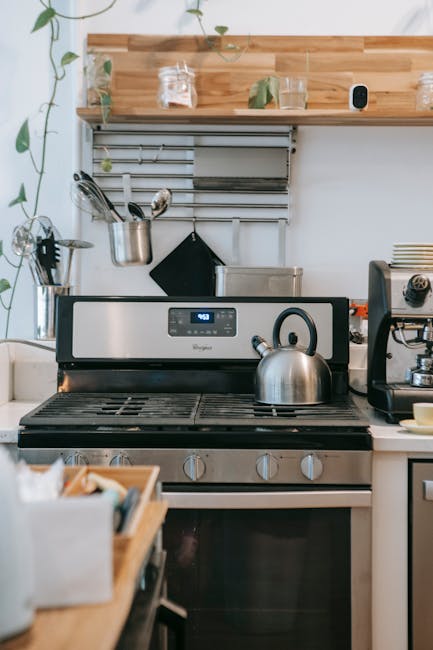
Our oven cleaning in Haringey is focused on restoring domestic cooking appliances to a cleaner, more workable condition through careful, methodical removal of grease, burnt-on residue and stubborn carbon deposits. We clean the accessible parts of ovens, hobs and related cooking equipment using a process that is designed to be thorough without being harsh on finishes. The aim is simple: a fresher-looking appliance, a cleaner cooking environment and less effort spent trying to tackle built-up grime yourself.
Whether you are dealing with routine build-up or a more neglected oven, our work is centred on practical results rather than cosmetic shortcuts. We pay attention to the details that matter in everyday use, including racks, doors, seals and removable components where appropriate. If you are comparing options, it may help to start by thinking about the condition of the appliance, the type of oven and the level of residue present, because those factors influence the scope of cleaning needed.
For a clear idea of what can be included, you can also review our oven cleaning service information alongside the details on pricing and quotes. If you are ready to move ahead, just send over the relevant details and ask for a quotation.
Thorough oven cleaning for everyday kitchens
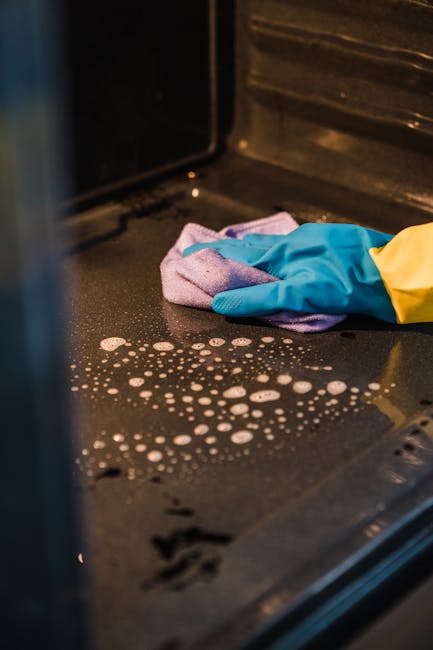
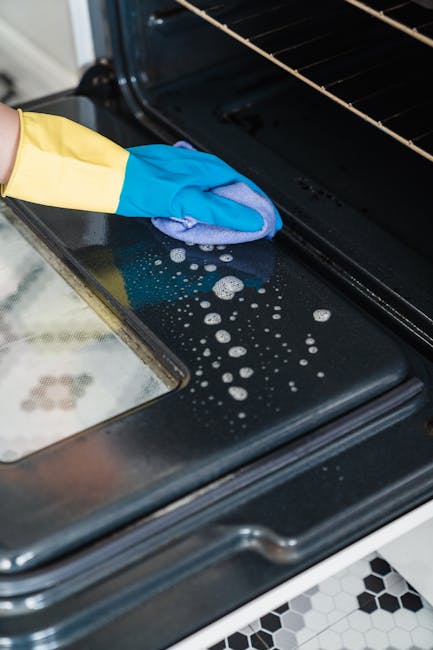
Built-up grease can affect how an oven looks and how pleasant it feels to use, especially when splashes have been left to harden over time. Our approach is designed for the parts customers most often want cleaned: the oven cavity, internal panels, racks, trays, glass surfaces and exterior touchpoints. Where a component is removable and suitable for cleaning, we can address it carefully as part of the overall service rather than working around the dirt.
We also pay attention to the difference between a light maintenance clean and a more intensive restoration clean. Some ovens only need a detailed refresh to remove surface grease and cooking residue. Others need more attention to the corners, edges and fittings where repeated heat has caused stubborn deposits to cling. In either case, the focus is on practical, visible improvement and on working in a way that respects the appliance materials.
What is usually included
The exact clean depends on the appliance type and condition, but the service is commonly built around a set of useful tasks that cover the main areas customers want improved:
- Degreasing the oven interior and accessible panels
- Cleaning racks, trays and removable parts where suitable
- Wiping oven doors and glass for a clearer finish
- Addressing built-up residue around edges, seals and corners
- Freshening nearby cooking surfaces as agreed
Supported cleaning for ovens, hobs and related fittings
Our main service is oven cleaning, but many customers also want help with the parts of the kitchen that gather grease during regular cooking. That can include hobs and certain adjacent fittings where splatter, steam and smoke leave marks that are awkward to remove with standard domestic cleaning. Rather than treating these as separate problems, we clean them as related work when they form part of the same practical job.
The right method depends on the surface and design. Glass, enamel, stainless steel and coated finishes each call for a sensible approach, and our work is aimed at reducing grime without causing unnecessary wear. We do not treat every mark as the same, because some stains are purely surface build-up while others are the result of long-term heating and repeated use. That distinction matters when deciding how far a clean can reasonably go.
If you want to keep the process straightforward, it helps to mention the appliance type and whether any parts are awkward to access. For broader kitchen cleaning needs, our deep cleaning page explains a wider clean, while the one-off cleaning option may suit a single, more detailed visit. For a tailored quotation, use the contact route that suits you and ask what can be included.
How the cleaning is approached
Good oven cleaning is as much about sequence as effort. The process needs to loosen residues properly before removal, then deal with the remaining film without scattering it back across cleaned surfaces. A careful method helps protect handles, seals and glass from unnecessary abrasion. It also makes it easier to distinguish between removable grime and older staining that may improve but not disappear entirely in one visit.
There is also value in planning the clean around access. A built-in oven, a range-style appliance or a compact single oven can each present different layout challenges, so the approach should suit the equipment rather than force the same method on every kitchen. If the appliance has removable shelves, panels or trays, these are handled separately where appropriate to improve the final result and reduce missed patches.
When you enquire, a few practical details are usually helpful: the appliance type, whether it is electric or gas, and whether you want only the oven or a wider cooking-area clean. Clear information makes it easier to prepare an accurate quotation, especially where the condition varies from one appliance to another. A brief description is often enough to start the process and avoid unnecessary back-and-forth.
Choosing the right level of clean

Some customers want a straightforward refresh before a family gathering, after a busy period of cooking or as part of regular household maintenance. Others are dealing with heavier deposits that have developed over months of repeated use. In both cases, the main question is not whether the oven can be cleaned, but how detailed the clean needs to be. That is why we describe the service in practical terms rather than promising one standard outcome for every appliance.
It can also help to think about what matters most to you: appearance, odour, ease of future cleaning or simply reducing the amount of visible residue in and around the oven. Those priorities can affect the emphasis of the work. For example, a customer with a relatively recent appliance may mainly want doors, shelves and the cavity refreshed, while someone with an older unit may prefer a more intensive focus on built-up grease and long-standing marks.
For additional household services that may fit around kitchen maintenance, you can look at domestic cleaning or house cleaning. If you are comparing a more specialised visit with a broader property clean, those pages can help you decide which route is more suitable. Either way, the next step is simple: request a quotation with the appliance details that matter most.
Supported service choices for homes and landlords
Oven cleaning is often requested at the end of a tenancy, before new occupants move in or as part of a property reset after a period of heavy use. It is also useful for households that want a more thorough kitchen clean without committing to a full property service. The work can be adapted to the situation, but the core objective remains the same: removing grease and residue from the oven area in a way that leaves it more presentable and easier to maintain.
We can also discuss related cleaning needs where they sit alongside the appliance. If the kitchen requires a larger refresh, it may be sensible to combine the oven work with other tasks rather than scheduling separate visits. That said, it is better to keep the scope clear from the outset so the quotation reflects what is genuinely needed. Clear scope, clearer pricing is usually the most useful way to approach this type of job.
Common reasons people ask for this service
Customers often come to oven cleaning for one of a few practical reasons:
- Preparing a kitchen for guests or special occasions
- Reducing built-up grease after frequent cooking
- Improving the appearance of an oven before a move
- Refreshing a neglected appliance that is still in regular use
- Supporting a wider kitchen or property clean
About Haringey
Haringey is a borough in north London with a character shaped by both dense urban neighbourhoods and substantial green spaces. It stretches from the elevated areas around Highgate and Muswell Hill in the south and west to flatter districts such as Tottenham and Wood Green further north and east, creating a varied landscape of Victorian terraces, post-war estates, shopping streets and long-established residential avenues. The borough takes in parts of Alexandra Palace, a landmark associated with leisure, events and wide views across the capital, as well as Finsbury Park on its southern edge, where open grassland and tree-lined paths provide a major recreational space. Waterways also play a part in the local geography, with the New River passing through sections of the borough and reminding visitors that this part of London has long been shaped by the movement and management of water. Haringey’s built environment reflects successive phases of growth, from older village cores and nineteenth-century expansion to twentieth-century redevelopment and more recent regeneration schemes. Cultural life is similarly mixed, with local theatres, libraries, markets and community venues sitting alongside independent cafes, high street retail and neighbourhood parks. Tottenham, Wood Green and Crouch End each contribute a different feel, while the borough as a whole is connected by strong transport links and a dense residential pattern. The result is an area that combines everyday city living with pockets of heritage architecture, broad green corridors and a diverse social identity that continues to evolve.
Cleaning details that influence the quotation

When we prepare a quotation, the most useful information is the kind that changes the amount of work required. Appliance size, current condition, how long residue has been building up and whether removable parts need special attention can all affect the final scope. A compact oven that only needs a refresh is a different task from a larger appliance with baked-on deposits inside the cavity and on the door glass. The quotation should reflect that difference clearly.
Access can matter as well. If an oven is built in tightly, sits below a hob or has been installed in a layout with limited working space, the clean may take a little more planning. That does not make it a problem; it simply means the job should be described accurately. If you can mention whether the appliance is freestanding, built-in or part of a range, the quotation can be prepared with fewer assumptions and less risk of misunderstanding.
We do not rely on generic descriptions when a more precise account will help. A simple message saying what needs cleaning, how the oven is configured and whether you want any nearby cooking surfaces included is usually enough to begin. You can then compare the quotation with other household cleaning needs or decide whether to keep the booking focused on the appliance alone.
Related kitchen and property cleaning options
Some customers prefer to arrange oven cleaning on its own; others use it as part of a wider refresh that includes other key rooms or fixtures. Where the kitchen is the priority, a service such as house cleaning may provide the broader context needed for more than one area, while end of tenancy cleaning can be relevant when a property must be left in good order. The right choice depends on what you want to achieve in the time available.
If the appliance is just one part of a larger clean, it is helpful to think about sequence and scope. For instance, deep grease around an oven may be easier to address as part of a larger kitchen visit than as an isolated task, especially if the surrounding surfaces, splashback or extractor area also need attention. That said, a standalone oven clean can still be the right option when the rest of the kitchen is already under control.
If you are unsure which service level is best, after builders cleaning may be useful where renovation dust and residue are also involved, while cleaning company information can help if you are comparing the wider service range. For a direct quotation on oven cleaning in Haringey, use the enquiry route and set out the appliance details clearly.
What to include when asking for a quotation
To keep things efficient, it is usually enough to give a short but precise description of the job. Mention the type of oven, whether you want hobs or extractor-related areas included, and whether there are any issues with access or stubborn deposits. If you are arranging the clean alongside another household service, say so at the same time. That allows the quotation to reflect the combined scope rather than treating each element in isolation.
It is also sensible to note any surfaces or parts that need extra care. For example, some customers want glass, enamel or coated areas handled with particular caution, while others are most concerned with the interior cavity and shelves. Clear instructions help avoid confusion, but they do not need to be long. A concise enquiry is usually enough for us to understand the work and prepare a useful response.
For a broader view of what we clean, you may also want to explore cleaners or home cleaners if you are comparing household support more widely. If you are ready to move forward, ask for a quotation today and include the key appliance details in your message.
Request your quotation for oven cleaning in Haringey

If your oven needs a proper refresh, our Haringey oven cleaning service offers a straightforward way to tackle grease, residue and neglected corners without taking on the work yourself. We focus on the parts that matter most in everyday use and tailor the clean to the appliance, the condition and the level of finish you want. That makes it easier to choose a service that feels practical rather than overcomplicated.
For households comparing options, the best starting point is usually a brief description of the appliance and the outcome you want. From there, we can indicate the suitable scope and prepare a quotation that reflects the actual work involved. If you would like to extend the clean beyond the oven, mention that at the same time so the scope can be set out clearly from the beginning.
Request a quotation now and tell us what needs cleaning, so we can help you plan the next step with confidence.