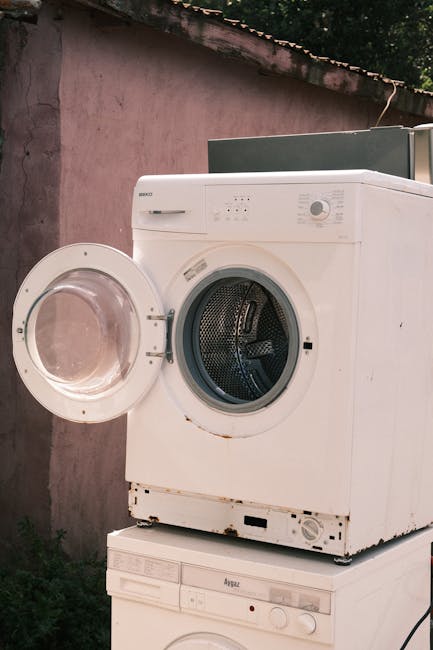
Haringey Council rules for appliance disposal and cleaning
If you are dealing with an old fridge, a broken washing machine, a grimy oven, or a bulky appliance that has simply had enough, Haringey Council rules for appliance disposal and cleaning can feel confusing at first. Do you need to book a collection? Can it go out with the rubbish? What counts as cleaned enough to be accepted? And what happens if the appliance still has food, grease, or other residue on it?
This guide breaks it down in plain English. We will look at how appliance disposal normally works in Haringey, why cleaning matters, what mistakes people make, and how to prepare items so they are safer to handle and easier to collect or reuse. You will also find a checklist, a comparison of disposal options, and practical tips for households, landlords, and anyone clearing a property. To be fair, a lot of the stress comes from not knowing where to start. That part gets easier once you know the process.
Why Haringey Council rules for appliance disposal and cleaning Matters
Appliance disposal is one of those jobs that looks simple until you are standing in front of a heavy fridge freezer, a sticky cooker, or a washer that still smells faintly of damp towels and old detergent. The rules matter because appliances are not just ordinary rubbish. They can contain metal, electrical components, insulation, gases, sharp edges, and in some cases leftover food, water, or cleaning chemicals.
Haringey Council rules for appliance disposal and cleaning are there to reduce risk, protect collection crews, and encourage proper recycling or reuse where possible. If an appliance is dirty, leaking, or unsafe to move, it may be refused, delayed, or handled differently. That can be frustrating, especially if you are moving out, clearing a flat, or trying to get a kitchen back into shape before a new tenant arrives.
There is also a very practical side to it. A clean appliance is easier to inspect, easier to transport, and less likely to cause mess in communal hallways, lifts, or shared bin stores. In a busy London block, that matters more than people sometimes realise. One small spill from a defrosted freezer can make a whole corridor unpleasant. Nobody wants that, least of all the person carrying it downstairs.
For landlords, tenants, and homeowners, understanding the rules helps you avoid last-minute scrambles. It can save money too. If an item needs extra preparation because it is contaminated, greasy, or not safe to handle, the whole job becomes slower and more complicated. Small effort now often prevents a bigger headache later.
How Haringey Council rules for appliance disposal and cleaning Works
While the exact service route can vary by appliance type and collection method, the basic principle is straightforward: appliances should be emptied, cleaned, and made safe before disposal. In practice, that means removing food, water, loose debris, and any detachable parts that could fall off during handling. If the appliance contains refrigerant, gas, or electrical wiring, it should not be tampered with in a rough or careless way.
Think of it in two stages. First, make the item safe for moving. Second, make it suitable for recycling, collection, or reuse. Those are not always the same thing. A cooker may be safe to lift but still need a proper degrease. A fridge may be clean on the outside but still need shelving and drawers removed, drained, and dried inside.
In Haringey, as in most London boroughs, bulky waste is generally expected to be presented in a way that can be collected without causing contamination or danger. That usually means no loose rubbish inside, no liquids left in trays, no mouldy food in a fridge, and no sharp broken glass left exposed. If you are unsure, the safest approach is always to treat the appliance as if someone else has to handle it by hand. Because they probably do.
If a professional cleaning service is involved before disposal, the process is often more thorough than a quick wipe-down. A deep oven cleaning service, for example, can remove baked-on grease that would otherwise make the appliance awkward to move and unpleasant to store. Likewise, a proper house clearance can help sort what is reusable, what needs specialist disposal, and what should simply be cleaned and collected.
Typical preparation steps you can expect
- Disconnect the appliance safely from power, gas, or water where appropriate.
- Empty the appliance fully and remove loose contents.
- Defrost and dry refrigerated items before collection.
- Wipe down food residue, grease, dust, and grime.
- Secure doors, lids, trays, or moving parts so they do not swing open.
- Keep walkways clear so the item can be moved without damage.
That sounds basic, but in real homes it is often the difference between a smooth job and a messy one. A freezer that is half-defrosted at collection time is a classic problem. So is a cooker with trays still caked in grease. It is not just about appearance; it is about handling, smell, hygiene, and safety.
Key Benefits and Practical Advantages
Following Haringey Council rules for appliance disposal and cleaning gives you more than compliance. It creates a cleaner, safer, and more efficient process. And yes, that matters even if you only have one item to get rid of.
Cleaner collection experience. A cleaned appliance is less likely to drip, smell, or leave residue in your hallway or on shared stairwells. Anyone who has ever moved a fridge full of mystery liquid will know why this matters.
Better recycling potential. Appliances that are free from food waste, excess dirt, or contamination are easier to sort and process. If reuse is possible, a cleaner item is far more attractive for that route too.
Lower risk of rejection. Many disposal problems are avoidable. A visibly dirty, unsafe, or leaking item can be turned away or require extra attention. A bit of preparation reduces that risk.
Less stress during a move. If you are leaving a rented property or handing a home back after sale, disposal is one of the jobs that can quietly eat up time. Good preparation makes the whole day calmer. Not glamorous, but very real.
Improved hygiene. Old kitchen appliances can hold crumbs, mould, grease, and unpleasant odours. Cleaning them properly before disposal keeps the home healthier, especially if children, pets, or neighbours are close by.
If you are already tackling wider property cleaning, it can make sense to bundle the appliance work with a broader clean. For example, a tenancy clean or a more detailed deep clean can handle the built-up grime that often builds up around appliances, behind them, and under them. In a busy kitchen, that hidden layer is usually the bit people forget until they move the unit. Then, suddenly, there it is.
Who This Is For and When It Makes Sense
This topic is relevant for far more people than you might think. If you live in Haringey and you own or rent a property, at some point you will likely need to dispose of a large appliance or clean one before removal.
- Tenants who are moving out and need to leave a kitchen in acceptable condition.
- Landlords replacing old appliances between tenancies.
- Homeowners doing a kitchen refresh or replacing broken white goods.
- Property managers dealing with clearance after void periods or refurbishments.
- Families clearing out a garage, utility room, or spare kitchen.
- Businesses disposing of office kitchen appliances or break-room equipment.
It also makes sense if the appliance is not technically broken but is too dirty, unsafe, or time-consuming to keep. A neglected oven can be a good example. At some point, the cost of deep cleaning, transport, and reuse may outweigh the value of keeping it. Let's face it, not every appliance deserves a second life in your kitchen.
If you are dealing with more than just one item, you may also be in the territory where a trusted cleaning company or a flexible cleaner can help you get the space ready before the appliance leaves. For larger properties, some people also book house cleaning or one-off cleaning so the disposal work does not sit on top of the usual domestic tasks.
Step-by-Step Guidance
Here is a practical way to handle appliance disposal and cleaning without overcomplicating it.
- Identify the appliance and its condition. Is it a fridge, washer, dryer, oven, dishwasher, microwave, or something smaller? Check whether it is working, leaking, mouldy, greasy, or damaged.
- Disconnect it safely. Turn off power at the socket or isolator. If it is gas or plumbed in, use a qualified person where needed. Don't guess. This is the bit where a shortcut can become a problem.
- Remove contents and detachable parts. Take out shelves, trays, drawers, baskets, and anything loose. Empty all food, water, and debris.
- Clean the interior and exterior. Use suitable cleaning products for the material. Grease, limescale, and mould need different treatment. A half-hearted wipe rarely does the job.
- Dry it properly. Moisture can create smell, mould, and leakage during movement. Leave doors open where safe and practical.
- Secure the appliance for transport. Tape or strap doors shut if necessary, but do not use anything that will damage the surface or leave sticky residue behind.
- Plan the route out of the property. Measure doorways and stairs if needed. In older Haringey homes, tight hallways can be the awkward bit.
- Choose the disposal route. Consider council collection, specialist removal, reuse, or private clearance, depending on the item and condition.
One small but useful habit: clean first, move second. People often try to lift a grimy appliance straight away because they are impatient. Then it slips, stinks, or leaves marks on the floor. A ten-minute clean can save thirty minutes of annoyance. Maybe more.
If the appliance is part of a larger clear-out, you may want to combine it with after builders cleaning if the property has recently been worked on. Dust and appliance grease together create a horrible little cocktail that gets everywhere. Best handled before it settles in.
Expert Tips for Better Results
After dealing with plenty of messy appliances in real homes, the same patterns show up again and again. A few small habits make the job much easier.
- Use the right cleaning method for the surface. Stainless steel, enamel, glass, and painted finishes all react differently. Harsh scrubbing can scratch or dull them.
- Remove grease before moving ovens. Heavy grease becomes slippery and hard to control during lifting. A proper oven cleaning approach is worth it if the item is still going out whole.
- Defrost fridges and freezers early. Ideally, give them enough time to thaw and dry naturally. Rushing this usually leads to water on the floor.
- Keep packaging and straps ready. Cardboard, blankets, tape, and moving straps all help. Simple kit, big difference.
- Clear the surrounding area first. A tidy path reduces damage to walls, door frames, and your own ankles. Which, frankly, is the real priority sometimes.
If you are cleaning appliances in a rental or shared environment, it helps to think like the next person. Would you be happy opening that door? Would you want to carry that item through the communal entrance as it is? That little test keeps standards honest.
For delicate surfaces and awkward built-in items, specialist help can be useful. A dedicated oven cleaner or a company with experience in domestic cleaning can often tackle the stubborn parts without damaging trims, seals, or surrounding units.
Common Mistakes to Avoid
Most appliance disposal problems are caused by avoidable mistakes. The good news is they are easy to spot once you know what to look for.
- Leaving food, liquid, or debris inside. This creates smell, contamination, and handling issues.
- Forgetting to defrost refrigerated appliances. Even a small amount of ice can melt during transit and make a mess.
- Trying to move damaged appliances without checking safety. Sharp edges, broken glass, and exposed wiring are all real hazards.
- Using the wrong cleaner. Strong chemicals can corrode surfaces or leave residue that is awkward for disposal crews.
- Blocking access routes. A perfectly cleaned item is still a problem if nobody can get it out safely.
- Assuming all appliances are handled the same way. An oven, fridge, dishwasher, and washing machine each need slightly different preparation.
Another common slip is leaving the job until the last possible day. If you are moving out on Friday morning, the fridge really should not still be full on Thursday night. That is the kind of error that turns a simple task into a late-night kitchen marathon.
If you want to reduce the workload, clean the appliance in stages. Shelves one day, seals the next, outside surfaces after that. It sounds slower, but it is less tiring and usually gives a better result. Truth be told, most people do better with a bit of spacing.
Tools, Resources and Recommendations
You do not need a huge toolkit, just the right basics. For most appliance cleaning and prep work, these items cover the job well:
- Microfibre cloths
- Non-scratch sponges
- Soft brush or toothbrush for seals and corners
- Bucket of warm water
- Suitable degreaser or mild cleaning solution
- Rubber gloves
- Old towels or absorbent cloths for drying
- Moving tape or straps for securing doors
- Blanket or protective wrap for transport
For larger clear-outs, storage of parts, and heavier lifting, professional help can save time and reduce risk. A service such as home cleaners or cleaners may be suitable if the wider property also needs attention. If the work is more specialised, for example kitchen-focused grime or built-in ovens, then a targeted oven cleaning appointment can be the cleaner, simpler route.
For people trying to compare service levels, pricing, and practical scope, it is worth checking pricing and quotes alongside recycling and sustainability. Those pages help set expectations about what is included and how the company approaches responsible waste handling. That matters if you want both a tidy result and a lower-waste outcome.
Law, Compliance, Standards, or Best Practice
It is sensible to be careful here. I am not going to pretend there is one single public rule that covers every appliance in every situation. In the UK, appliance disposal can touch several areas of best practice and compliance, depending on what the item is, how it is removed, and whether it contains electrical parts, refrigerant, or gas connections.
As a general rule, you should:
- avoid dumping appliances illegally or leaving them in communal areas;
- ensure items are disconnected safely before removal;
- prevent contamination from food waste, grease, or liquids;
- use reputable removal or clearance methods;
- keep appliances out of ordinary waste streams if they belong in a specialist route.
For commercial or rental settings, there is also a duty of care element. Even if no one says the phrase out loud, the principle is simple: do not hand over a dirty, hazardous, or unsafe appliance for someone else to deal with. That would be poor practice at best. And a nuisance at worst.
Best practice is usually to treat the appliance like a recyclable asset first, a waste item second. If it can be reused, repaired, or responsibly broken down, that is the preferred direction. If it cannot, then clean it, make it safe, and send it through the proper disposal channel.
For households with a lot of mixed waste, a wider recycling and sustainability mindset is useful. It is not about being perfect. It is about keeping useful material out of landfill where possible and avoiding mess for everyone downstream.
Options, Methods, or Comparison Table
Different situations call for different disposal routes. A broken toaster is not the same as a built-in fridge freezer, and a greasy oven is not the same as a spotless microwave. Here is a simple comparison to help you decide.
| Method | Best for | Pros | Watch out for |
|---|---|---|---|
| Prepare and place for collection | Standard bulky appliances | Simple, cost-effective, familiar | Must follow collection instructions and safety prep |
| Private clearance or removal | Multiple items or awkward access | Flexible timing, hands-off for you | Quality varies; choose carefully |
| Reuse or resale | Working appliances in decent condition | Less waste, possible value recovery | Needs proper cleaning and honest description |
| Specialist cleaning before removal | Greasy ovens, dirty kitchen appliances | Improves hygiene and handling | May not be worth it for heavily damaged items |
| Whole-property clearance | Moves, probate, end-of-tenancy, refurb projects | Efficient for multiple items | Requires good planning and sorting |
In practical terms, the right choice often comes down to the condition of the appliance and how much time you have. If something is clean and working, reuse may make sense. If it is grimy but structurally sound, clean it and remove it properly. If it is beyond repair, do not overthink it. Just make it safe and move on.
Case Study or Real-World Example
A typical example: a couple in a Haringey flat were replacing an old oven and fridge before a tenancy ended. The oven had years of baked-on grease, and the fridge had started smelling musty after being emptied too late. At first, they tried to drag both items out straight away. Bad idea. The oven door felt slippery, the fridge was still damp inside, and the hallway started to smell the moment the door opened.
They paused, cleaned the oven properly, removed trays and loose parts, and left the fridge door open long enough to dry. The items were easier to move, there was less mess, and the collection day went far more smoothly. Nothing dramatic. Just a better process.
That is really the point of Haringey Council rules for appliance disposal and cleaning. It is not about creating hassle for its own sake. It is about making sure bulky items are safe, manageable, and ready to leave a property without turning the job into a small disaster. A bit of care at the start saves a lot of awkwardness at the end.
If the wider home also needs tidying after removal, services like one-off cleaning or house cleaning can help reset the space. For landlords and agents, that can be especially useful between tenancies, when speed and presentation both matter.
Practical Checklist
Use this quick checklist before you arrange disposal or collection.
- Have I identified the appliance type correctly?
- Is it disconnected safely from power, gas, or water?
- Have I removed all contents, trays, shelves, and loose parts?
- Is the inside clean, dry, and free from food residue or liquid?
- Have I checked for leaks, broken glass, or exposed wires?
- Are doors, lids, and moving parts secured for transport?
- Is the route out of the property clear?
- Do I know whether the appliance should be reused, collected, or cleared as waste?
- Do I need specialist help because the item is heavy, dirty, or awkward?
- Have I protected floors, walls, and shared areas during removal?
If you can tick most of those off, you are in good shape. If not, slow down a little and deal with the weak spots first. A rushed appliance move is where the trouble usually begins.
For larger jobs or properties with several rooms needing attention, it can also help to pair appliance disposal with hard floor cleaning or other specialist services where relevant? Actually, let's keep that practical: the best approach is to clean the immediate area thoroughly, especially under and behind the appliance, because that is where grease and dust love to hide.
Conclusion
Haringey Council rules for appliance disposal and cleaning are really about common sense, safety, and respect for the people who handle your items after you. Clean the appliance, make it safe, choose the right disposal route, and avoid leaving anyone else with a mess. Simple in theory, a bit fiddly in practice, but very manageable once you break it down.
The best results usually come from a calm, staged approach: empty the item, clean it properly, dry it well, and only then arrange removal. Whether you are moving home, replacing kitchen equipment, or clearing a property, that order saves time and avoids stress. And honestly, it leaves the place feeling better too. Cleaner, lighter, done.
Get a free quote today and see how much you can save.
Frequently Asked Questions
Do I need to clean appliances before disposal in Haringey?
Yes, in practical terms you should. Clean appliances are easier and safer to handle, less likely to smell, and less likely to cause contamination or mess during removal.
Can I put a fridge or washing machine out with general rubbish?
Usually no. Large appliances normally need a proper bulky waste or specialist disposal route rather than ordinary household rubbish.
What should I do with food left in an old fridge or freezer?
Remove it all before collection. Empty shelves, bins, and drawers too. Defrost and dry the appliance so it does not leak during removal.
Does an oven need special cleaning before it is taken away?
It is strongly recommended. Grease, burnt residue, and loose debris make ovens awkward to move and unpleasant to handle. A proper clean helps a lot.
What happens if my appliance is dirty when collection day arrives?
It may be refused, delayed, or need extra handling. At the very least, it can create more mess and make the job harder than it needs to be.
Is it worth cleaning an appliance that is broken?
Often yes, if it is still safe enough to move and may be accepted for reuse or recycling. Even if it is going straight to disposal, basic cleaning helps.
Can I remove the doors from a fridge or freezer myself?
Only if it is safe and you know what you are doing. Some appliances have parts that should not be dismantled casually. If in doubt, leave it and ask for help.
What is the safest way to move a heavy appliance?
Use the right lifting technique, clear the route first, and get help if the item is bulky or awkward. Never twist suddenly or try to carry more than is sensible.
Are there specific rules for broken electrical appliances?
Yes, electrical items should be handled with care and disposed of through the proper route. Do not leave exposed wires or damaged plug tops where someone may touch them.
Should landlords and tenants follow the same preparation steps?
Mostly yes. The condition of the appliance matters more than who owns it. That said, landlords may need to be a bit more systematic across multiple properties or tenancies.
Can a cleaning service help before appliance disposal?
Absolutely. A professional cleaner can help with grease, grime, and general prep, especially for ovens, kitchens, and end-of-tenancy jobs.
What is the most common mistake people make?
Leaving too much residue inside the appliance and waiting until the last minute. Those two things together create most of the avoidable problems.
If you want a calmer, cleaner way to deal with appliance disposal in Haringey, start with the small jobs early. That one habit makes the whole process feel far less like a chore and a lot more like progress.
Where can I find more information about your service standards?
You can review the company's health and safety policy, insurance and safety details, and terms and conditions for a clearer picture of how work is managed.