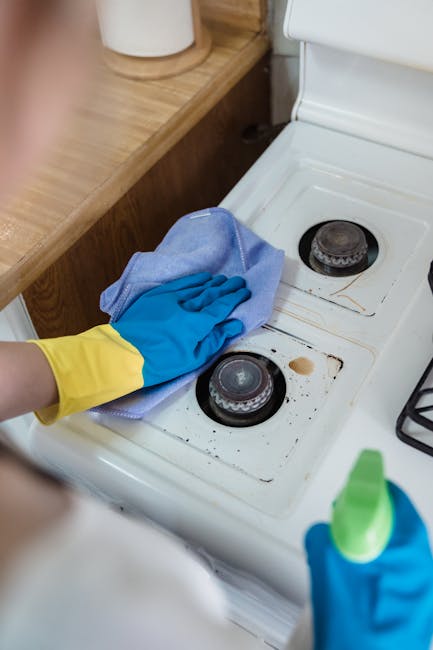
Wood Green oven cleaning and deep cleaning Haringey
Posted on 06/06/2026
Wood Green oven cleaning and deep cleaning Haringey: a practical guide for cleaner, calmer homes
If your kitchen has started to feel a bit tired, you are not alone. Between daily cooking, greasy splashback build-up, crumbs in awkward corners, and the general pace of life in north London, even a well-kept home can begin to look worn around the edges. That is where Wood Green oven cleaning and deep cleaning Haringey comes in. It is not just about making appliances shine. It is about getting the whole room back to a level that feels fresh, safe, and genuinely easier to live with.
Whether you are preparing for guests, moving out, getting on top of a rental inspection, or simply fed up with the smell of old grease every time the oven heats up, a proper deep clean can make a noticeable difference. And yes, there is a very real difference between a quick wipe-down and a full deep clean. One tidies the surface. The other resets the space.
In this guide, we will look at what professional oven cleaning and deep cleaning actually involve, who they suit, how the process works, what to avoid, and how to choose the right kind of clean for your home in Wood Green or wider Haringey. If you want a broader view of the full housekeeping picture, you may also find the services overview useful, especially if you are comparing one-off help with ongoing support.
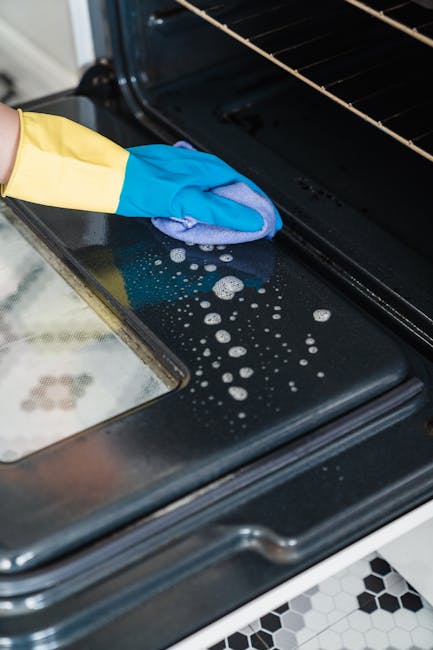
Why Wood Green oven cleaning and deep cleaning Haringey Matters
A kitchen is usually the busiest room in the home, which also makes it the quickest to show wear. Ovens collect carbon, grease, burnt-on residue, and odours over time. Splash zones around the hob and extractor, handles, shelves, skirting, bin areas, and cupboard fronts can quietly collect grime too. Before long, the room starts to feel sticky or dull, even if you are cleaning it regularly.
That is the real value of a deep clean: it handles the stuff standard weekly cleaning tends to miss. In a place like Wood Green, where homes range from compact flats to family houses and rentals with busy turnover, a thorough clean can help keep a property feeling well cared for. Let's face it, nobody wants to open an oven door and find a blackened interior that looks like it has been through several winters on its own.
There is also a comfort factor. A properly cleaned oven can reduce smoke, unpleasant smells, and the frustration of food tasting faintly of yesterday's roast dinner. Deep cleaning a kitchen can make the whole home feel lighter. You notice it in small ways: the air smells cleaner, surfaces are easier to wipe, and you stop mentally postponing the job because it feels too big.
For landlords, tenants, homeowners, and local businesses alike, this matters because presentation, hygiene, and maintenance all feed into each other. A neglected oven can drag down the feel of an otherwise tidy property. A deep clean can lift it again, sometimes more than people expect.
If you want a service designed around this broader reset, the dedicated deep cleaning Haringey page explains the wider approach and how it fits into a whole-home clean.
How Wood Green oven cleaning and deep cleaning Haringey Works
Good oven cleaning is methodical. It is not just spray, scrub, done. A proper clean usually begins by assessing the appliance type, condition, and level of build-up. That matters because fan ovens, range cookers, and compact built-ins all need slightly different handling. Some ovens have removable doors, side panels, or racks that can be treated separately. Others need a more cautious approach around seals, electrics, or sensitive finishes.
The basic process often follows the same shape:
- Inspect the oven and surrounding area.
- Protect nearby surfaces where needed.
- Remove shelves, trays, and loose components.
- Apply safe cleaning solutions and allow dwell time.
- Work on burnt-on residue, grease, and carbon deposits.
- Clean the interior, glass, seals, knobs, and external surfaces.
- Reassemble and carry out a final detail check.
Deep cleaning Haringey-style is wider than the oven itself. It usually includes the kitchen environment around it, and sometimes adjoining living areas if the service is arranged that way. Think of it as a top-to-bottom reset: inside cupboards if agreed, skirting boards, high-touch points, kickboards, grease-prone corners, and areas behind or beside appliances where crumbs love to disappear. Honestly, if crumbs could pay rent, some kitchens would be thriving.
Different homes need different levels of intervention. A light refresh after regular maintenance is very different from an end-of-tenancy clean after months of cooking. If you are unsure where your home sits on that scale, one-off support from one-off cleaning Haringey can be a sensible middle ground before committing to a bigger package.
Key Benefits and Practical Advantages
A deep clean is not just about appearances. It solves practical problems that tend to build quietly in the background. Here are the main benefits people usually notice first.
- Better hygiene: less grease, less residue, and fewer hidden problem areas.
- Improved appliance performance: ovens often heat more evenly when build-up is reduced.
- Less odour: old fat and burnt residue can create a stale smell every time you cook.
- Better presentation: useful for guests, rentals, sales viewings, and inspections.
- Easier maintenance: once the hard work is done, weekly cleaning becomes much simpler.
- Peace of mind: you know the job has been done properly, not half-done with a cloth and a hopeful attitude.
There is also a psychological benefit. That sounds slightly dramatic, but it is true. A dirty oven can become one of those nagging household jobs that you see out of the corner of your eye every day. Once it is cleaned, the kitchen feels more manageable. People often start cooking more confidently again, which is no bad thing.
For family homes, deep cleaning can also help maintain routines. For rented properties, it can make handovers less stressful. For busy households in Wood Green, where weekdays can be hectic and weekends vanish quickly, saving time and mental energy is often reason enough on its own.
Who This Is For and When It Makes Sense
Not every home needs the same level of cleaning at the same time. That said, there are common situations where Wood Green oven cleaning and deep cleaning Haringey makes perfect sense.
- Move-out or end-of-tenancy: when you need the property returned in a strong condition.
- After renovation or decorating: dust seems to get everywhere, even where it is not invited.
- Before hosting or celebrations: a cleaner kitchen makes the whole home feel more welcoming.
- After a busy period: family gatherings, school holidays, or long stretches of regular cooking.
- For busy professionals: if life keeps getting in the way of the big jobs.
- For landlords and letting agents: when presentation and hygiene matter for inspections or new tenants.
A deep clean is also sensible when regular cleaning has stopped being enough. If you are wiping the same greasy patch over and over and it is not shifting, that is a clue. If the oven smells faintly burnt even before you turn it on, that is another one. If your kitchen has that slightly heavy feel that is hard to describe but easy to recognise, you probably already know the answer.
For householders who want ongoing support rather than a single reset, house cleaning Haringey and domestic cleaning Haringey are worth considering as part of a longer-term plan.
Step-by-Step Guidance
If you are planning a professional clean, or doing as much prep as possible before one, a clear process helps. Here is a sensible step-by-step approach.
1. Decide how deep the clean needs to go
Start with the oven and kitchen condition. Is this a maintenance refresh, or a heavy-duty clean with years of build-up? The answer changes the scope. A lightly used oven might need only interior treatment, while a busy family kitchen may need full degreasing across multiple surfaces.
2. Clear access
Move away anything that blocks the oven, hob, or nearby cupboards. If there are fragile items, paperwork, or small appliances sitting nearby, shift them first. It saves time and reduces the chance of accidental damage. Simple, but easy to forget when you are in a rush.
3. Identify materials and finishes
Some ovens have enamel interiors, glass panels, stainless-steel exteriors, or coated controls that need more careful treatment. Kitchens with delicate paintwork, older cabinetry, or special finishes may need a softer approach. The cleaner should work with the material, not against it.
4. Pre-treat build-up
Heavier deposits often need dwell time. That means letting the product sit so it can loosen grease before scrubbing begins. Rushing this stage is one of the easiest ways to waste effort. A bit of patience saves a lot of elbow grease later.
5. Focus on hidden zones
The obvious surfaces are not usually the biggest issue. Around the fan, behind handles, under hob edges, on extractor surrounds, and near seals are the places grime likes best. Deep cleaning means thinking like dirt does. Slightly annoying, but effective.
6. Finish with details
Once the heavy work is done, the final polish matters. Glass, edges, knobs, trims, and external panels need a clean, dry finish so the result looks complete. A half-finished clean can look almost worse than no clean at all because it draws the eye to what is still left.
If the clean is part of a bigger move-out or property reset, you may want to pair it with end of tenancy cleaning Haringey or spring cleaning Haringey so the entire property is handled in one pass.
Expert Tips for Better Results
There are a few small habits that make oven cleaning and deep cleaning noticeably more effective. None of them are flashy, which is probably why they are often skipped.
- Do not let grease sit for months: even a quick wipe after heavy cooking can prevent build-up from hardening.
- Use heat carefully: warm residue can be easier to remove, but hot surfaces are not safe to treat immediately.
- Keep a cleaning rhythm: the best deep clean is the one you do not have to repeat from zero.
- Mind the seals: oven door seals need gentle handling; rough scrubbing can cause issues.
- Check cooker controls: buttons and dials collect grime surprisingly quickly, especially in busy kitchens.
- Ventilate the room: fresh air helps during and after a heavy clean, especially in smaller flats.
A useful rule of thumb: if something is safe to clean slowly, it is usually better to clean it slowly. There is no medal for finishing a greasy oven in record time, and there is definitely no medal for scratching the glass in the process.
Another practical tip is to think about the wider home while the kitchen is being restored. If your sofa or carpets also need attention, combining services can be more efficient than booking each task separately. That is where carpet cleaning Haringey and upholstery cleaning Haringey can complement the kitchen clean very neatly.
Common Mistakes to Avoid
Most problems come from either rushing or using the wrong approach. Here are the mistakes we see often enough to mention plainly.
- Using harsh abrasives on glass: they can leave scratches that are difficult to hide.
- Forgetting removable parts: shelves and trays need their own treatment, not just a quick wipe.
- Skipping the exterior: a clean interior paired with greasy handles looks unfinished.
- Cleaning without protection: nearby worktops, floors, or flooring edges can stain if products are mishandled.
- Ignoring odours: smell often points to residue still trapped somewhere.
- Trying to force stubborn deposits: if it is not shifting, it may need more dwell time, not more force.
One of the biggest mistakes is assuming that a "good enough" wipe is equivalent to a deep clean. It really is not. You can make a surface look acceptable while leaving the actual problem behind. Then the smell comes back, the grime returns, and you are back at square one. Bit of a nuisance, that.
On the deep cleaning side, the mistake is often scope creep in the wrong direction. People start with the oven, then realise the cupboards, skirting, extractor, and splashback need help too. That is fine, of course, but it is better to plan the full clean properly from the outset.
Tools, Resources and Recommendations
You do not need a cupboard full of specialist products to keep a kitchen in good shape, but the right basics help. For routine care, look for soft cloths, non-scratch pads, gloves, degreasing sprays that suit your surfaces, and microfibre cloths for drying. The aim is effective cleaning without damaging finishes.
For heavier jobs, professional-grade tools and a tested process matter more than lots of fancy gear. Good cleaners usually rely on disciplined steps: inspection, pre-treatment, controlled dwell time, careful agitation, and a proper finish. Simple in theory. More involved in practice.
Useful supporting services can also make a difference if you are managing a whole property. For example, spring cleaning Haringey is a practical option when the whole home needs a seasonal reset, while one-off cleaning Haringey can bridge the gap when life gets too full for a normal routine.
If you are comparing providers, it helps to look beyond the headline price and ask what is included. Does the clean cover just the oven, or also the hob, extractor, and visible kitchen grease points? Is reassembly included? Are protective measures used? Those are sensible questions, not fussy ones.
For anyone wanting transparency before booking, the pricing and quotes page is a useful next stop, and if you want to know more about the people behind the service, the about us page gives a broader sense of standards and approach.
Law, Compliance, Standards, and Best Practice
Cleaning work in homes and small businesses does not usually involve complicated regulation for the customer, but there are still sensible standards that should be followed. Products should be used safely and according to manufacturer instructions. Surfaces, electrics, and flooring should be treated carefully. And any service entering a property should manage risk responsibly.
In practical terms, that means clear communication, cautious handling, and a method that does not create damage while trying to remove dirt. Good practice also includes appropriate insurance, safe working methods, and respect for the property. These are not extras. They are basics.
If you are hiring a professional cleaner in Haringey, it is fair to ask about safety practices, product handling, and whether the work is insured. A reputable provider should be able to explain the process in plain English, without hiding behind jargon. If you ever feel something is vague, trust your instincts. Cleaners should make things simpler, not more confusing.
You can also review the provider's public trust pages, such as health and safety policy, insurance and safety, terms and conditions, and privacy policy. Those pages help set expectations about how a service is run and how customer information is handled.
For customers with access needs or who want to understand service adjustments, the accessibility statement is also worth reading. It is a small detail, but the small details often show whether a business has thought about real people or just the website.
Options, Methods, or Comparison Table
Not all kitchen cleaning needs are the same. Here is a simple comparison to help you think through the right choice.
| Option | Best for | What it covers | Typical outcome |
|---|---|---|---|
| Routine wipe-down | Light maintenance | Visible surfaces, quick spill removal | Looks tidy, but hidden build-up remains |
| Focused oven clean | Appliance-specific issues | Interior, racks, door glass, grease deposits | Better cooking environment and reduced odour |
| Kitchen deep clean | Heavier build-up or move-out prep | Oven plus surrounding grease zones and hard-to-reach areas | Much fresher, more complete reset |
| Whole-home deep clean | Busy households, seasonal resets, or tenancy handovers | Kitchen, bathroom, living areas, details, high-touch surfaces | Full-property refresh with better overall presentation |
The right choice depends on how far the grime has spread and what outcome you need. If you only want the oven restored, keep it targeted. If the kitchen has started affecting the rest of the home, go broader. There is no prize for booking the smallest option when the whole place needs help.
Case Study or Real-World Example
Here is a realistic local scenario. A family in Wood Green had a standard built-in oven that had not been professionally cleaned for quite some time. The appliance still worked, but there was heavy grease on the interior, baked-on residue on the trays, and a lingering smell whenever it was used. The surrounding kitchen was also showing signs of wear: sticky cupboard handles, dull splashback edges, and crumbs under the kickboards.
Rather than try to tackle it all in one rushed evening, they booked a deep clean focused on the kitchen first. The cleaner began with the oven, then moved outward to the high-grease and high-touch areas. After the work, the family noticed that the smell improved immediately, the oven door glass was actually readable again, and the whole kitchen felt easier to wipe down during the week.
That is the kind of result people often underestimate. Not dramatic. Just quietly useful. The room stops feeling like a problem.
They later arranged regular help for the rest of the home through house cleaning Haringey, which meant the kitchen did not drift back into the same state so quickly. A small shift, but a practical one.
Practical Checklist
Use this checklist before booking or carrying out a deep clean. It keeps expectations straight and makes the job smoother.
- Check whether the oven needs a light clean or a full restoration.
- Decide if the surrounding kitchen area also needs attention.
- Clear access around appliances and worktops.
- Note any delicate finishes, older fittings, or repair concerns.
- Ask what is included in the clean.
- Confirm whether removable parts are cleaned separately.
- Ask about safety, insurance, and product handling.
- Think about whether the clean should be combined with other services.
- Allow time for ventilation after the job is complete.
- Set up a simple maintenance routine so the result lasts.
A good deep clean should leave the home feeling easier to manage, not just looking better for a day. If the room feels calmer when you walk in, that is usually the sign it was done properly.
Quick takeaway: if your oven, splash zones, and kitchen surfaces are all showing build-up at the same time, do not treat them as separate problems. Deal with them together and the result tends to last much longer.
Conclusion
Wood Green oven cleaning and deep cleaning Haringey is really about restoring comfort as much as cleanliness. When the oven is cared for properly and the kitchen is deep cleaned with a steady hand, the whole home feels better. Cooking becomes less frustrating. Smells improve. Surfaces are easier to maintain. And one of the most annoying household jobs quietly stops hanging over you.
That matters whether you live in a compact flat, a busy family home, or a property that needs to look sharp for letting or sale. The best approach is simple: understand what level of cleaning you need, choose the right scope, and avoid the common mistakes that waste time and leave residue behind. A thoughtful clean is always worth more than a rushed one.
If you are planning a bigger reset or want to keep the rest of the home in step with the kitchen, you can also explore the latest cleaning advice on our blog for more practical guidance and local ideas.
Get a free quote today and see how much you can save.
And if the kitchen has been bothering you for a while, take this as your sign. A cleaner oven has a funny way of making the rest of the week feel just a bit lighter.